
Schedule
Appointment
Thumb Sucking
Tabarek Al-Mosuli • December 24, 2025
Thumb Sucking: Why It Matters and How to Prevent It for Healthy Smiles
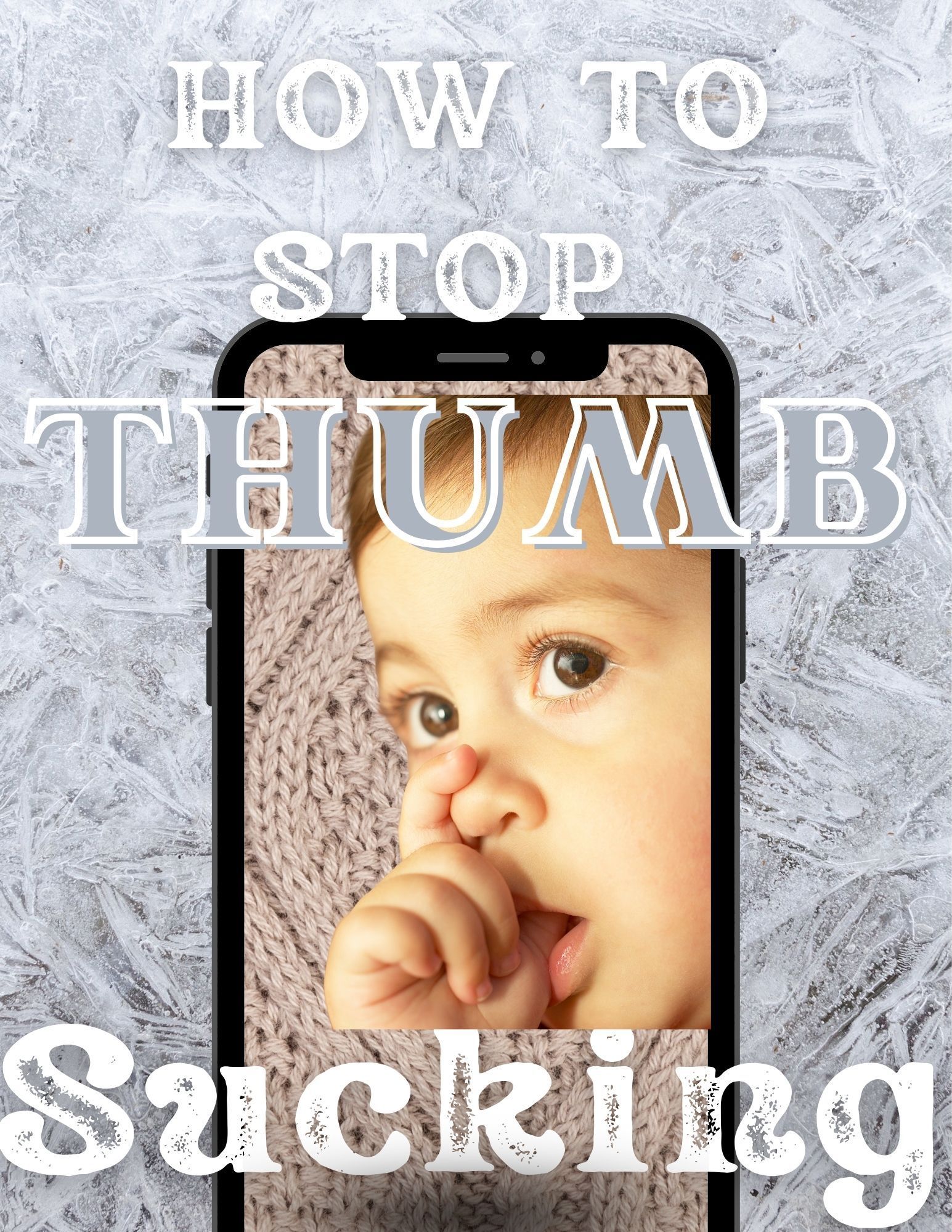
Thumb sucking is a common and natural habit in infants and young children. While it can be comforting and normal in early years, prolonged thumb sucking can have lasting effects on a child’s dental and oral development. Understanding why it matters and how to gently stop the habit can help protect your child’s smile.
Why Thumb Sucking Affects Dental Health
When thumb sucking continues beyond the age of 3–4 years, it can interfere with normal growth of the teeth and jaws. Possible dental effects include:
- Flaring front teeth (increased overjet)
- Open bite, where front teeth do not touch
- Narrow or high-arched palate
- Changes in jaw alignment and bite
- Increased risk of speech difficulties
The intensity, frequency, and duration of the habit all influence how much impact it has on dental health.
How to Prevent or Stop Thumb Sucking
Breaking the habit should be gentle and positive, never punitive. Here are effective strategies:
1. Positive Reinforcement
Praise your child when they are not thumb sucking. Reward charts or small incentives can be very motivating.
2. Identify Triggers
Thumb sucking often happens when a child is tired, anxious, or bored. Offering comfort, a stuffed toy, or distraction can help replace the habit.
3. Gentle Reminders
Avoid scolding. Calm reminders work better, especially if the child is unaware they are doing it.
4. Limit During Sleep
For nighttime thumb sucking, using a soft glove or bandage (with your child’s agreement) can serve as a reminder rather than a restraint.
5. Dental Guidance
If the habit persists, a dentist can monitor tooth development and, if needed, recommend supportive options such as habit appliances at the appropriate age.

Did you know most bad breath start on your tongue !

New-Year Reset for Dental Anxiety
Tooth Avulsion Management
Oral Health in the Age of Cannabis
Can your gum disease cause heart disease?

Why my teeth are stained ?
Evolution of Dental Restorations: From Amalgam to Advanced Alternatives
Why does my dentist need X-rays ?

How does a first dental visit to the dentist for your child should look like?

Why Sharing Your Insurance Breakdown Ahead of Time Matters
WE MAKE IT EASY